Kenya has no wild chimpanzees. The country sits east of their natural range, which runs from West Africa through the Congo Basin. So when you find chimps inside Ol Pejeta Conservancy in Laikipia, every one of them arrived a refugee. Each was rescued from war zones, the illegal pet trade, or circuses in neighboring countries. Touring Insights breaks down what the Sweetwaters Chimpanzee Sanctuary actually is and what it costs to visit. It also explains why the sanctuary has become one of the more thoughtful stops on a Laikipia safari.
What Is the Sweetwaters Chimpanzee Sanctuary?
Sweetwaters Chimpanzee Sanctuary sits inside Ol Pejeta Conservancy, on the banks of the Ewaso Nyiro River near Nanyuki. It opened in 1993 through a partnership between Ol Pejeta and the Jane Goodall Institute. The sanctuary remains the only one of its kind in Kenya. Every resident chimpanzee was rescued rather than born wild in the country.
The sanctuary is fenced off from the rest of the conservancy’s open plains. Chimpanzees need forest-edge habitat, so they cannot simply be released to roam with lions and hyenas. Visitors view the chimps from vehicles or a raised walkway rather than walking among them. This keeps both the animals and the humans safer.
Why Kenya Needed a Chimpanzee Sanctuary At All
Civil conflict in Burundi during the early 1990s left orphaned and traumatized chimpanzees with nowhere to go. Neighboring countries within the chimp’s natural range were already stretched thin on sanctuary space. So the Jane Goodall Institute looked outside it. Ol Pejeta, then known as Sweetwaters Game Reserve, offered river frontage and tree cover. It also had land far from any human settlement, large enough to build proper enclosures.
That original arrangement grew into an ongoing rescue operation. Chimps have arrived over the years from confiscated illegal pet situations, failed circus acts, and conflict zones across Central Africa. Each new arrival goes through a quarantine and health assessment before any attempt at integration with the resident groups.
Meet the Chimps: Rescue Stories Behind the Fence
Every chimpanzee at Sweetwaters carries a rescue story, and caretakers know each one by name and personality. Some arrived as infants small enough to fit in a shoebox. Poachers had killed their mothers for bushmeat, and rescuers took the infants from them. Others spent years chained or caged as pets before confiscation.
Integration is slow work. Chimpanzees are intensely social but also territorial, and a new arrival cannot simply be placed with an established group. Caretakers introduce chimps gradually, sometimes over months, watching for signs of acceptance or aggression before opening a shared space fully.
Older chimps at the sanctuary have lived there for decades. That is long enough for caretakers to track distinct personalities across a generation. Some are natural group leaders who mediate disputes, while others stay on the fringe of the group by choice. Guides who work the sanctuary regularly can usually point out two or three individuals worth watching on any given visit. That turns a short stop into something closer to following a running story.
How the Sanctuary Is Set Up
Sweetwaters houses its chimpanzee groups in two large separate enclosures divided by the Ewaso Nyiro River. Certain groups do not get along, and mixing them would risk serious injury. Each enclosure includes open grassland, patches of forest, and climbing structures. These let the chimps forage, climb, and rest in loose social clusters the way they would in the wild.
Electrified fencing and a dedicated caretaker team keep the enclosures secure around the clock. Unlike the rest of Ol Pejeta, where predators and prey share open terrain, the sanctuary is a controlled environment. It is built specifically around chimpanzee welfare rather than a natural predator-prey system.
Sweetwaters Chimpanzee Sanctuary: The Numbers
| Detail | Figure |
|---|---|
| Sanctuary opened | 1993 |
| Location | Ol Pejeta Conservancy, on the Ewaso Nyiro River, Laikipia County |
| Distance from Nairobi | approx. 200 km, 3-3.5 hrs by road; approx. 45 min flight to Nanyuki |
| Resident chimpanzees | more than 30 (number changes as chimps are born or arrive) |
| Enclosures | 2 separate riverside enclosures, divided by group compatibility |
| Ol Pejeta Conservancy size | approx. 364 km2 (90,000 acres) |
| Sanctuary founding partner | Jane Goodall Institute |
| Sanctuary entry fee | separate add-on to conservancy gate fee, indicative $20-30, confirm current rate before travel |
| Ol Pejeta non-resident conservancy entry | indicative $90-100/day, confirm before travel |
Best Time to Visit and What a Visit Looks Like
Chimps are active and visible for most of the day. So Sweetwaters does not carry the same dawn-and-dusk timing pressure as a predator game drive elsewhere in Ol Pejeta. Most visitors combine a sanctuary stop with a morning or afternoon drive through the wider conservancy. It sits along the standard game-drive circuit rather than requiring a special detour.
Feeding times draw the most activity. Caretakers scatter food through the enclosure, and the chimps forage, squabble, and climb in full view. Ask your guide for the current feeding schedule, since it can shift with the season and caretaker rotations.
Where to Stay Near the Sanctuary
Camps inside Ol Pejeta put the sanctuary within easy reach of a morning activity slot. Sweetwaters Serena Camp sits close enough to hear the chimps’ calls at dawn. Kicheche Laikipia Camp and Porini Rhino Camp both build a sanctuary stop into their standard game-drive routes. All three sit inside the conservancy’s electrified perimeter, so night drives and early starts feel calmer than in unfenced reserves.
Book the sanctuary visit as part of your camp’s activity schedule rather than trying to arrange it independently. Most camps coordinate entry times directly with sanctuary staff.
Self-drive visitors can also reach the sanctuary directly through Ol Pejeta’s main gates on the Nanyuki side. Checking ahead is worth it during peak season, roughly July to October and late December to February. Feeding-time slots can fill early in the day during those months.
How Sweetwaters Fits Into a Laikipia Safari
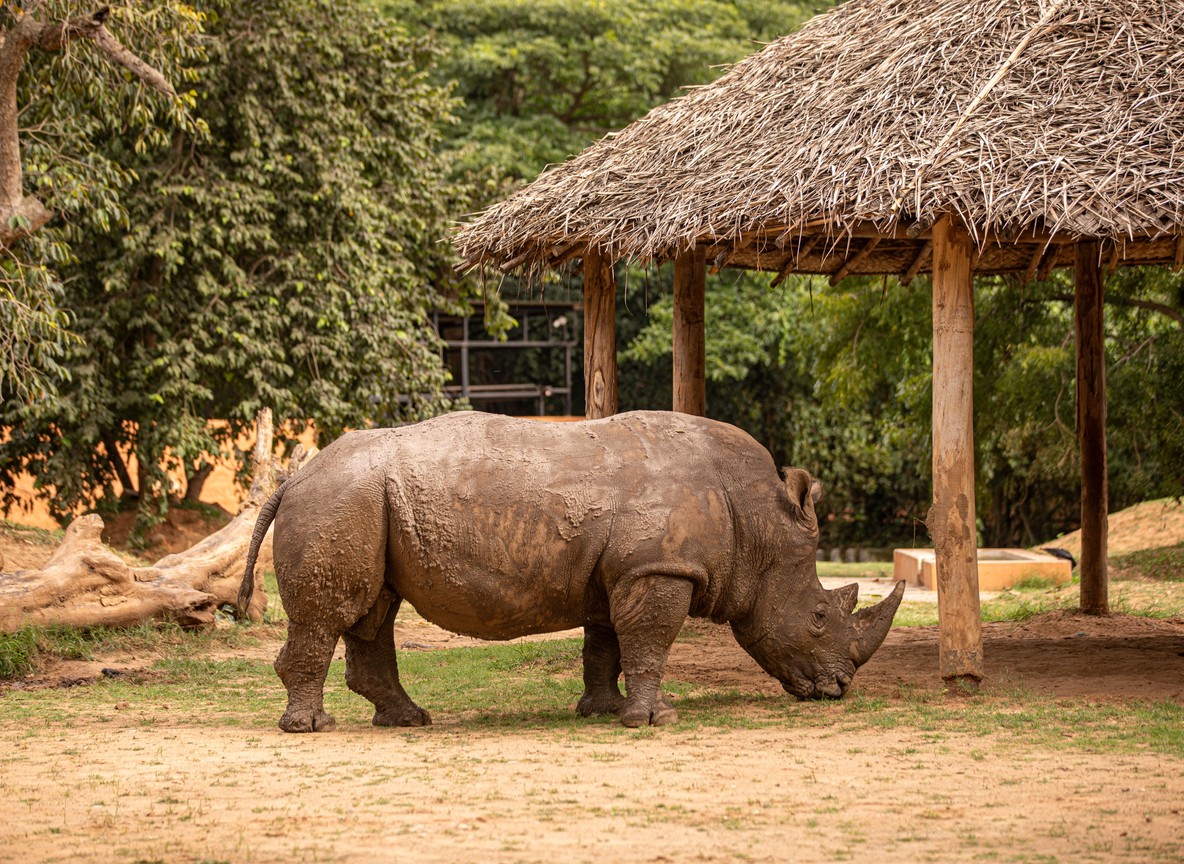
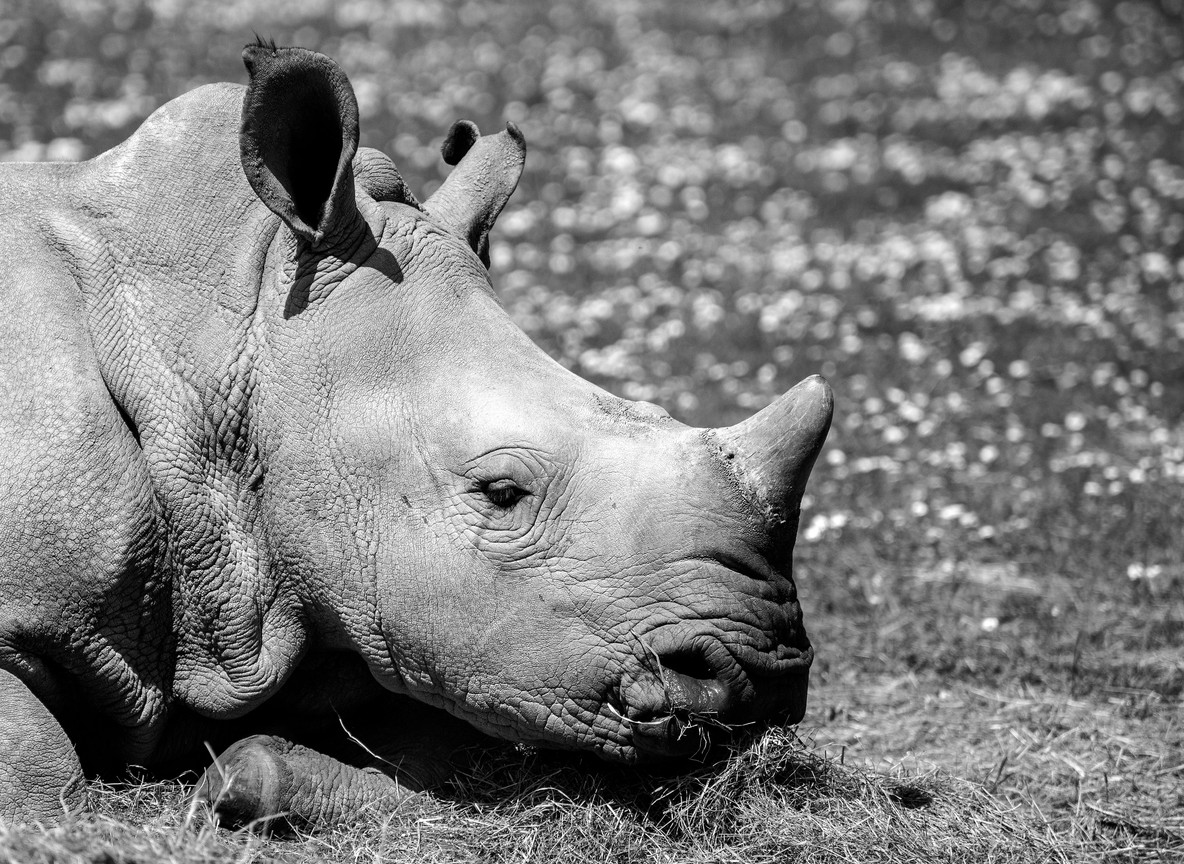
Ol Pejeta is best known for its rhino sanctuary. It has more black rhino than anywhere else in East Africa and the world’s last two northern white rhinos. Sweetwaters gives visitors a very different kind of wildlife encounter on the same property. Instead of big game viewed from a distance, you meet primates whose behavior and expressions feel unsettlingly close to human.
Pairing the two in one day works well logistically. The sanctuary sits inside the same fence line as the rhino programs and the game-drive tracks that connect them. A single Ol Pejeta day can realistically cover rhino tracking in the morning and a chimpanzee visit in the afternoon.
Explorer Notes
A few details guides mention that rarely make the official brochure. First, the chimps recognize individual caretakers and react differently to strangers versus familiar staff. Do not be surprised if the group reacts more to your guide’s voice than to yours. Second, photography works best from the vehicle-viewing side of the enclosure in early morning light. That is before the sun sits directly overhead. Third, some chimps carry visible scars or missing limbs from their original rescue circumstances. Caretakers are usually glad to explain the story if you ask respectfully rather than treating it as a photo prop. Finally, the sanctuary occasionally closes a section for veterinary work or new-arrival integration. That is a sign the rescue program is active, not a service failure.
What to Read Next
- Want the full picture on Ol Pejeta’s rhino program? Read our Ol Pejeta rhino sanctuary guide.
- Planning where to sleep near the sanctuary? See our guide to where to stay at Ol Pejeta.
- Deciding between conservancies? Compare in our Ol Pejeta vs Masai Mara guide.
FAQ
Are the chimps at Sweetwaters native to Kenya? No. Kenya sits outside the chimpanzee’s natural range, which spans West and Central Africa. Every chimp at Sweetwaters was rescued from conflict zones, the illegal pet trade, or captivity elsewhere. Each was then brought to the sanctuary.
How many chimpanzees live at Sweetwaters Chimpanzee Sanctuary? The sanctuary is home to more than 30 chimpanzees, split across two enclosures divided by the Ewaso Nyiro River. That exact number shifts as new chimps arrive or existing ones are born on site.
Can you touch or walk among the chimpanzees at Sweetwaters? No. Visitors view the chimps from vehicles or a raised walkway rather than entering the enclosures directly. This protects visitor safety and limits disease transmission to the animals.
How much does it cost to visit the Sweetwaters Chimpanzee Sanctuary? Sanctuary entry is a separate add-on to Ol Pejeta’s conservancy gate fee, indicatively $20-30. That comes on top of the conservancy’s own non-resident rate of roughly $90-100 per day. Confirm current figures before travel.
How do I combine a chimpanzee visit with the rest of an Ol Pejeta safari? Most camps inside the conservancy schedule a sanctuary stop alongside a standard game drive. Both activities sit inside the same fence line. Ask your camp to build it into your morning or afternoon activity slot.
Sweetwaters turns a routine Ol Pejeta game drive into something closer to a rescue story. You can watch it unfold in real time. If you’re planning a Laikipia itinerary pairing rhino tracking with a chimpanzee visit, check our Tour Packages page. Or ask a partner operator to build both into your Ol Pejeta days.